Expert Dishwasher Repair in Marlborough, MA
Appliance Repair for Homes & Businesses in Marlborough, Northborough, Southborough, Boylston, Massachusetts and Nearby Areas
Dishwasher Repair in Marlborough, Massachusetts, Appliance Repair Pros
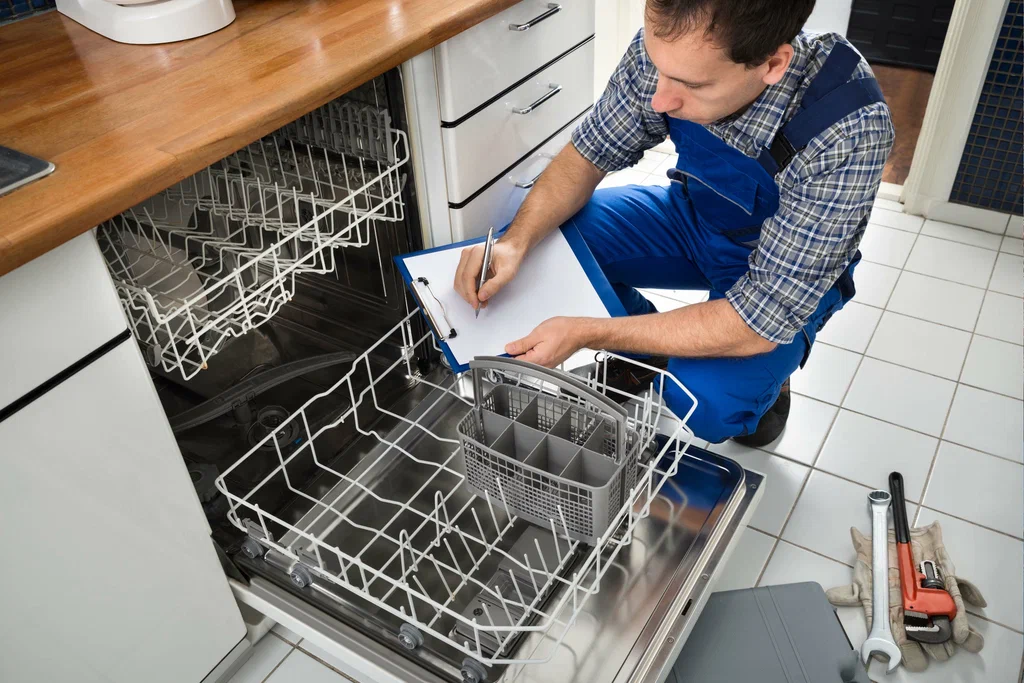
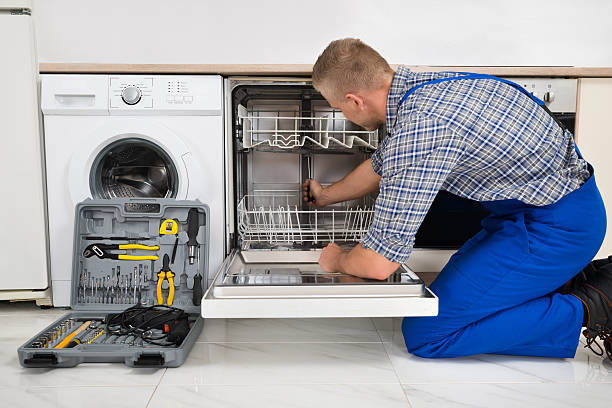
A broken dishwasher turns a convenient evening routine into a messy chore that piles up in the sink. At Appliance Repair Pros we understand that you rely on your dishwasher to keep your kitchen sanitary and organized. We provide focused and reliable dishwasher repair services for homeowners in Marlborough, Southborough, Northborough, Boylston, and the surrounding communities. Whether you are dealing with water leaking onto the floor, dishes coming out dirty, loud grinding noises, or a unit that simply will not start we have the technical expertise to resolve the issue.
Marlborough is a diverse community with a mix of historic homes near French Hill and modern condos near the Apex Center and we are familiar with the plumbing and electrical setups in all of them. We know that local water conditions can sometimes lead to mineral buildup that affects cleaning performance. Our approach focuses on meticulous diagnostics to identify the root cause of the breakdown so we can fix it correctly the first time. We treat your home with respect by using protective floor coverings and keeping our work area tidy. We are here to get your kitchen running smoothly again.
Contact us today to schedule your service visit.
Dishwasher Repair Services in Marlborough
Dishwashers are complex appliances that combine water, electricity, and heat to perform a specific sanitation cycle. When one system fails the entire machine becomes useless. We handle repairs for all major styles of dishwashers found in Marlborough homes. Our team is trained to navigate the tight spaces under counters and the complex wiring inside door panels. We work on standalone units and high end integrated models that match your cabinetry.
Dishwasher systems we work on:
- Standard built in under counter dishwashers
- Portable or rolling dishwasher units
- Drawer style dishwashers
- Integrated and panel ready models
- Stainless steel tub units
- Plastic tub units
- Smart dishwashers with Wi-Fi connectivity
- High efficiency and quiet operation models
What makes dishwasher repair tricky:
- Water inlet valves and flood protection sensors
- Main circulation pumps and motors
- Drain pumps and check valves
- Electronic control boards and user interfaces
- Heating elements and drying fans
- Door latches and microswitches
- Detergent and rinse aid dispensers
- Spray arms and internal filtration systems
Common Dishwasher Problems We Fix
Dishes come out dirty or covered in food
The primary job of a dishwasher is to clean and when it fails to remove food residue it is incredibly frustrating. You might notice gritty particles on cups or stuck on food on plates even after a full heavy duty cycle. This often indicates poor water circulation or low water temperature preventing the detergent from activating properly.
Likely causes:
- Clogged or broken spray arms
- Blocked internal filters
- Failed circulation pump
- Inlet valve not letting enough water in
- Detergent dispenser failing to open
- Water temperature is too low
How we diagnose it
We check the spray arms for debris clogging the jets and verify that they spin freely. We inspect the filter assembly at the bottom of the tub for heavy soil buildup. We also test the water temperature and listen to the circulation pump to ensure it is moving water with enough force to reach the top rack.
What you can do right now
Check the filter at the bottom of the tub and clean it under hot running water. Ensure that tall plates or cutting boards are not blocking the spray arms from spinning.
Dishwasher will not drain
Opening the dishwasher door to find a pool of grey standing water is one of the most common issues homeowners face. This standing water can smell bad and leak out if the door seal is not perfect. It indicates that the dirty water from the wash cycle is unable to exit the machine.
Likely causes:
- Clogged drain hose
- Blocked garbage disposal connection
- Failed drain pump
- Broken drain impeller
- Stuck check valve
- Electronic control failure
How we diagnose it
We inspect the entire drain path from the sump assembly to the sink connection. We listen for the hum of the drain pump motor. If the motor runs but water does not move we check for a physical blockage like broken glass or a piece of plastic inside the pump housing.
What you can do right now
Check your kitchen sink drain to ensure it is not clogged. If you have a garbage disposal run it to clear any food debris that might be blocking the dishwasher drain line.
Water leaking onto the floor
A leaking dishwasher can cause significant damage to hardwood floors and subflooring if not addressed immediately. You might see water pooling directly in front of the machine or seeping out from under the cabinets. Leaks can originate from the door area or from underneath the unit.
Likely causes:
- Worn or torn door gasket
- Loose hose connections
- Cracked water inlet valve
- Leaking pump seal
- Dispenser leaking
- Unit is not level
How we diagnose it
We remove the kick plate at the bottom of the unit and run a cycle while observing the underside with a flashlight. We check the door seal for rips or mineral buildup that prevents a tight close. We also inspect the water supply line and the drain hose for any cracks or loose clamps.
What you can do right now
Stop using the appliance immediately. Wipe up the water to protect your floor. Check if the door seal looks dirty and wipe it down with a damp cloth.
Dishwasher will not start
You load the dishes and press the start button but nothing happens. The lights might flicker or the panel might be completely dead. This issue can range from a simple power supply problem to a complex electronic failure inside the door.
Likely causes:
- Tripped circuit breaker
- Broken door latch or switch
- Faulty thermal fuse
- Main control board failure
- User interface or keypad failure
- Child lock is engaged
How we diagnose it
We test the power supply to the unit using a multimeter. We test the continuity of the door latch switches which are a common failure point because they are used every time you open and close the unit. We also inspect the main control board for signs of burning or shorted components.
What you can do right now
Check your home circuit breaker panel to see if the switch for the dishwasher has tripped. Try resetting the breaker. Ensure the door is latched firmly shut.
Cycle takes too long
If your dishwasher used to finish in ninety minutes but now runs for three or four hours it is a sign that the machine is struggling to complete a phase of the cycle. This is often related to heating or filling issues where the machine pauses to wait for conditions to be met.
Likely causes:
- Failed heating element
- Thermostat or sensor malfunction
- Low incoming water temperature
- Clog in the drain system causing slow draining
- Sensor grime buildup
How we diagnose it
We test the heating element for continuity to ensure it can heat the water. We check the resistance values of the temperature sensors. We also verify the incoming water temperature to ensure your home water heater is supplying hot enough water to the machine.
What you can do right now
Run the hot water at your kitchen sink before starting the dishwasher to ensure hot water enters the unit immediately. This prevents the machine from working overtime to heat cold water.
Dishes are not drying
Opening the dishwasher to find dripping wet plates and puddles on top of mugs is annoying and requires extra time for hand drying. While plastics are naturally hard to dry ceramic and glass items should come out dry if the machine is working correctly.
Likely causes:
- Burnt out heating element
- Failed vent fan
- Rinse aid dispenser is empty or broken
- Thermostat failure
- Control board relay failure
How we diagnose it
We inspect the heating element for visible blistering or breaks. We test the vent fan assembly which is responsible for pulling moist air out of the tub. We also check the rinse aid dispenser mechanism to ensure it releases fluid at the right time during the final rinse.
What you can do right now
Make sure your rinse aid dispenser is full. Rinse aid breaks the surface tension of water and is essential for proper drying in modern energy efficient dishwashers.
Loud or unusual noises
Dishwashers make a consistent hum while running but loud grinding, thumping, or high pitched squealing noises are not normal. These sounds indicate that a moving part is failing or that debris is interfering with the mechanics of the machine.
Likely causes:
- Debris in the drain pump
- Worn out wash motor bearings
- Spray arm hitting dishes
- Loose pump impeller
- Broken drain valve
How we diagnose it
We listen to the machine to determine if the noise happens during the wash cycle or the drain cycle. We inspect the pump housings for foreign objects like fruit pits or glass shards. We also check the spray arms to ensure they are not hitting tall items in the racks.
What you can do right now
Check that no items are hanging below the racks. Spin the spray arms by hand to see if they hit anything. Remove any visible hard debris from the bottom of the tub.
Dishwasher not filling with water
If you start the cycle and hear the motor running but no water is swishing around the pump seals can dry out and fail. A dishwasher needs a specific water level to operate the pump and clean the dishes effectively.
Likely causes:
- Failed water inlet valve
- Stuck overfill float switch
- Clogged inlet screen
- Door switch failure
- Electronic control issue
How we diagnose it
We test the voltage reaching the inlet valve solenoid. If the valve has power but does not open it needs replacement. We check the float assembly in the bottom of the tub to ensure it moves freely and is not stuck in the up position which tells the machine it is already full.
What you can do right now
Check under the sink to ensure the water shutoff valve for the dishwasher is fully open. Lift the float switch in the bottom of the tub and make sure it drops back down freely.
Common Dishwasher Problems We Fix
Dishes come out dirty or covered in food
The primary job of a dishwasher is to clean and when it fails to remove food residue it is incredibly frustrating. You might notice gritty particles on cups or stuck on food on plates even after a full heavy duty cycle. This often indicates poor water circulation or low water temperature preventing the detergent from activating properly.
Likely causes:
- Clogged or broken spray arms
- Blocked internal filters
- Failed circulation pump
- Inlet valve not letting enough water in
- Detergent dispenser failing to open
- Water temperature is too low
How we diagnose it
We check the spray arms for debris clogging the jets and verify that they spin freely. We inspect the filter assembly at the bottom of the tub for heavy soil buildup. We also test the water temperature and listen to the circulation pump to ensure it is moving water with enough force to reach the top rack.
What you can do right now
Check the filter at the bottom of the tub and clean it under hot running water. Ensure that tall plates or cutting boards are not blocking the spray arms from spinning.
Dishwasher will not drain
Opening the dishwasher door to find a pool of grey standing water is one of the most common issues homeowners face. This standing water can smell bad and leak out if the door seal is not perfect. It indicates that the dirty water from the wash cycle is unable to exit the machine.
Likely causes:
- Clogged drain hose
- Blocked garbage disposal connection
- Failed drain pump
- Broken drain impeller
- Stuck check valve
- Electronic control failure
How we diagnose it
We inspect the entire drain path from the sump assembly to the sink connection. We listen for the hum of the drain pump motor. If the motor runs but water does not move we check for a physical blockage like broken glass or a piece of plastic inside the pump housing.
What you can do right now
Check your kitchen sink drain to ensure it is not clogged. If you have a garbage disposal run it to clear any food debris that might be blocking the dishwasher drain line.
Water leaking onto the floor
A leaking dishwasher can cause significant damage to hardwood floors and subflooring if not addressed immediately. You might see water pooling directly in front of the machine or seeping out from under the cabinets. Leaks can originate from the door area or from underneath the unit.
Likely causes:
- Worn or torn door gasket
- Loose hose connections
- Cracked water inlet valve
- Leaking pump seal
- Dispenser leaking
- Unit is not level
How we diagnose it
We remove the kick plate at the bottom of the unit and run a cycle while observing the underside with a flashlight. We check the door seal for rips or mineral buildup that prevents a tight close. We also inspect the water supply line and the drain hose for any cracks or loose clamps.
What you can do right now
Stop using the appliance immediately. Wipe up the water to protect your floor. Check if the door seal looks dirty and wipe it down with a damp cloth.
Dishwasher will not start
You load the dishes and press the start button but nothing happens. The lights might flicker or the panel might be completely dead. This issue can range from a simple power supply problem to a complex electronic failure inside the door.
Likely causes:
- Tripped circuit breaker
- Broken door latch or switch
- Faulty thermal fuse
- Main control board failure
- User interface or keypad failure
- Child lock is engaged
How we diagnose it
We test the power supply to the unit using a multimeter. We test the continuity of the door latch switches which are a common failure point because they are used every time you open and close the unit. We also inspect the main control board for signs of burning or shorted components.
What you can do right now
Check your home circuit breaker panel to see if the switch for the dishwasher has tripped. Try resetting the breaker. Ensure the door is latched firmly shut.
Cycle takes too long
If your dishwasher used to finish in ninety minutes but now runs for three or four hours it is a sign that the machine is struggling to complete a phase of the cycle. This is often related to heating or filling issues where the machine pauses to wait for conditions to be met.
Likely causes:
- Failed heating element
- Thermostat or sensor malfunction
- Low incoming water temperature
- Clog in the drain system causing slow draining
- Sensor grime buildup
How we diagnose it
We test the heating element for continuity to ensure it can heat the water. We check the resistance values of the temperature sensors. We also verify the incoming water temperature to ensure your home water heater is supplying hot enough water to the machine.
What you can do right now
Run the hot water at your kitchen sink before starting the dishwasher to ensure hot water enters the unit immediately. This prevents the machine from working overtime to heat cold water.
Dishes are not drying
Opening the dishwasher to find dripping wet plates and puddles on top of mugs is annoying and requires extra time for hand drying. While plastics are naturally hard to dry ceramic and glass items should come out dry if the machine is working correctly.
Likely causes:
- Burnt out heating element
- Failed vent fan
- Rinse aid dispenser is empty or broken
- Thermostat failure
- Control board relay failure
How we diagnose it
We inspect the heating element for visible blistering or breaks. We test the vent fan assembly which is responsible for pulling moist air out of the tub. We also check the rinse aid dispenser mechanism to ensure it releases fluid at the right time during the final rinse.
What you can do right now
Make sure your rinse aid dispenser is full. Rinse aid breaks the surface tension of water and is essential for proper drying in modern energy efficient dishwashers.
Loud or unusual noises
Dishwashers make a consistent hum while running but loud grinding, thumping, or high pitched squealing noises are not normal. These sounds indicate that a moving part is failing or that debris is interfering with the mechanics of the machine.
Likely causes:
- Debris in the drain pump
- Worn out wash motor bearings
- Spray arm hitting dishes
- Loose pump impeller
- Broken drain valve
How we diagnose it
We listen to the machine to determine if the noise happens during the wash cycle or the drain cycle. We inspect the pump housings for foreign objects like fruit pits or glass shards. We also check the spray arms to ensure they are not hitting tall items in the racks.
What you can do right now
Check that no items are hanging below the racks. Spin the spray arms by hand to see if they hit anything. Remove any visible hard debris from the bottom of the tub.
Dishwasher not filling with water
If you start the cycle and hear the motor running but no water is swishing around the pump seals can dry out and fail. A dishwasher needs a specific water level to operate the pump and clean the dishes effectively.
Likely causes:
- Failed water inlet valve
- Stuck overfill float switch
- Clogged inlet screen
- Door switch failure
- Electronic control issue
How we diagnose it
We test the voltage reaching the inlet valve solenoid. If the valve has power but does not open it needs replacement. We check the float assembly in the bottom of the tub to ensure it moves freely and is not stuck in the up position which tells the machine it is already full.
What you can do right now
Check under the sink to ensure the water shutoff valve for the dishwasher is fully open. Lift the float switch in the bottom of the tub and make sure it drops back down freely.
Safety Notes for Dishwasher Issues
Dishwasher repair involves a unique combination of electricity and water which creates potential safety hazards. Before attempting any inspection it is critical to understand the risks. The area under the dishwasher often contains sharp metal edges and exposed wiring. If you are unsure about any step it is safer to wait for a professional.
Safety checklist for homeowners:
- If you see water leaking near electrical outlets: Do not touch the appliance or the water. Go to your circuit breaker panel and turn off the power to the kitchen immediately.
- If you smell burning plastic: Turn off the dishwasher and cut the power at the breaker. This could indicate a melting wire nut or a failing control board.
- If you see smoke coming from the door vent: Do not open the door. Cut the power and allow the unit to cool down completely.
- If you find broken glass in the tub: Wear thick gloves before trying to remove it. Glass shards can be hard to see in soapy water and can cause serious cuts.
- If the unit trips the breaker repeatedly: Do not keep resetting the breaker. This indicates a hard short in a component like the heating element or motor and requires professional diagnosis.
Brands We Service for Dishwasher Repair in Marlborough
Different manufacturers use different engineering philosophies for their dishwashers. Some prioritize quiet operation with complex insulation and motor systems while others focus on heavy duty food grinding. We are experienced with the specific designs of all major brands found in Marlborough homes.
Whirlpool family and similar designs (Whirlpool, Maytag, KitchenAid, Amana)
This group represents the most common dishwashers in the area. They are generally reliable and parts are readily available. KitchenAid models often feature advanced filtration and extra cleaning jets while Maytag units are built with industrial styling. They typically use a food chopper system rather than just a filter.
Common issues we see with these models:
- Diverter motors failing causing top rack cleaning issues
- Control board failures after power surges
- Top rack adjuster clips breaking
- Circulation pump motor capacitors failing
- Door leaks from the bottom seal
Why correct diagnosis matters
These units often have a self diagnostic mode that we can access to test individual components. Correctly interpreting these codes saves time and prevents replacing parts that are not actually broken.
GE family (GE, Hotpoint, and related lines)
GE dishwashers are known for their strong washing performance and durability. Newer models often feature bottle jets and deep clean cycles. They use a different pump structure than Whirlpool and often have complex electronic controls located on the top of the door.
Common issues we see with these models:
- Electronic control boards unresponsive
- Flood float getting stuck due to gunk buildup
- Heating element nuts loosening and causing leaks
- Drain pump impellers breaking
- Door latch sensors failing
Why correct diagnosis matters
GE units can be sensitive to voltage fluctuations. We verify that the issue is the appliance and not the home electrical supply before starting repairs.
Samsung and LG
These brands push the envelope with technology and features. LG uses Direct Drive motors for quiet operation and Samsung uses “WaterWall” technology in some models. They are heavily computerized and rely on multiple sensors to monitor water pressure and temperature.
Common issues we see with these models:
- LE or LC error codes indicating leaks
- OE or 5C error codes indicating drain issues
- Water case assembly cracks
- Main PCB failures
- Rubber drain hoses cracking over time
Why correct diagnosis matters
These units have very specific error code systems. A “leak” error might be a real leak or it might be a sensor malfunction. We test the moisture sensor specifically to determine the real cause.
Frigidaire and Electrolux
These units are often found in new construction and renovated condos. They are known for sleek design and effective drying systems. Electrolux models often have luxury features like interior lighting and specialized wash arms.
Common issues we see with these models:
- Circulation pumps making loud noises
- Heating elements burning out
- Door springs snapping
- Spray arms detaching
- Control pads stopping midway through cycles
Why correct diagnosis matters
Frigidaire pumps are often integrated assemblies. Knowing how to test the motor windings versus the impeller helps us decide if a repair or replacement is the best route.
Bosch and Thermador
German engineering focuses heavily on silence and energy efficiency. These units rarely use hard food disposers and instead rely on high quality filtration. They typically use a condensation drying method that does not use a heating element at the bottom of the tub.
Common issues we see with these models:
- E15 error code indicating water in the base
- E24 error code indicating drain blockage
- Junction box melting due to loose wiring
- Water inlet valves failing
- Door ropes breaking
Why correct diagnosis matters
Bosch dishwashers have a safety pan underneath the main tub. If water enters this pan the unit shuts down completely. We have to find the source of the leak which is often a tiny pinhole or loose hose not just reset the code.
Understanding Common Dishwasher Error Codes
Modern dishwashers use digital displays to communicate specific problems. While these codes are helpful they are symptoms not solutions. A code for a “drain error” could mean a bad pump, a clog, or a bad board. Testing is always required to confirm.
- Samsung 5C / 5E: Drain error. The machine detects that water is not leaving the tub fast enough.
- Samsung LC / LE: Leak error. The moisture sensor in the bottom pan detects water.
- LG OE: Output Error or Drain Error. Water is failing to drain out.
- LG IE: Input Error. The machine is not filling with water quickly enough.
- Bosch E15: Leak detected in the base pan. The safety switch is activated.
- Bosch E24: Drain error. Often caused by a blockage or a stiff drain hose check valve.
- Whirlpool Clean Light Blinking: This usually indicates a heating failure where the water did not reach the target temperature.
- GE H20: Water supply issue. The machine is not seeing water enter the tub.
Maintenance Tips for Dishwasher Owners in Marlborough
Regular maintenance can extend the life of your dishwasher and prevent the need for repairs. Marlborough water conditions can vary so keeping an eye on mineral buildup is important.
Clean the filter regularly: Most modern dishwashers have a manual filter at the bottom of the tub. Twist it out and rinse it under hot water to remove trapped food particles and grease. A clogged filter restricts water flow and leads to dirty dishes.
Run a cleaning cycle with vinegar: Once a month place a cup of white vinegar in a dishwasher safe bowl on the top rack and run a hot cycle. This helps dissolve mineral deposits and soap scum that can clog the spray arm jets.
Inspect the spray arms: Check the holes in the spray arms for blockage. Seeds, glass shards, or plastic bits can get stuck in there. Use a toothpick to gently clear the holes.
Wipe down the door seal: Food residue and mold can build up on the rubber gasket around the door. Wipe it with a damp cloth to ensure a tight seal and prevent leaks.
Don’t pre rinse too much: Modern detergents rely on enzymes that need food soil to activate. Scrape off the big chunks but leave some sauce or crumbs on the plates. This actually helps the detergent work better.
Check the drain gap: If you have an air gap cylinder on your sink counter make sure it is not spewing water. Clean it out if necessary to ensure the dishwasher drains freely.
Run the hot water first: In New England winters water in the pipes can be very cold. Run the kitchen faucet until it is hot before starting the dishwasher. This reduces the strain on the dishwasher heating element.
Service Area for Dishwasher Repair in and Around Marlborough, Massachusetts
We are proud to serve the local community with responsive and local repair services. Our technicians are based in the area allowing us to navigate the roads from Route 20 to I-495 efficiently. We cover the neighborhoods around Lake Williams, the darker sky areas near the Sudbury Reservoir, and the busy retail corridors. We also extend our service to the immediate neighboring towns to help homeowners there.
- Marlborough
- Southborough
- Northborough
- Boylston
- Hudson
- Berlin
- Sudbury
- Framingham
Zip codes we serve: 01752, 01772, 01532, 01505
Frequently Asked Questions
Why is my dishwasher leaving a white film on my glasses?
This is usually caused by hard water minerals or using too much detergent. The minerals settle on the glass during the drying cycle. Try using a rinse aid product which helps water sheet off the glass. You can also try running a cycle with a dishwasher cleaner or vinegar to remove buildup from the machine interior.
Is it worth repairing a 10 year old dishwasher?
The average lifespan of a modern dishwasher is about 10 to 12 years. If the repair is minor like a valve or a door latch it is often worth fixing. However if the motor or the main control board has failed and the racks are starting to rust it might be more economical to replace the unit. We provide honest assessments to help you decide.
Why does my dishwasher smell bad?
Odors are typically caused by trapped food in the filter or grease buildup in the drain hose. Clean your filter thoroughly and run a hot cycle with a specialized dishwasher cleaner. Also check that the drain hose has a “high loop” under the sink to prevent sink water from backflowing into the dishwasher.
How long does a dishwasher repair take?
Most repairs are completed within an hour or two once the technician arrives. We stock our trucks with common parts like drain pumps, inlet valves, and heating elements to try and fix the issue on the first visit. If a specific part needs to be ordered we can usually get it within a day or two.
Can I install a dishwasher myself?
Installing a dishwasher involves connecting water lines, drain hoses, and hardwiring electricity. While a handy homeowner can do it improper installation often leads to leaks or drainage issues. Professional installation ensures that the connections are secure and the unit is leveled properly for optimal performance.
What should I do before the technician arrives?
Please clear the area under the kitchen sink so we can access the water and drain connections. Also make sure the dishwasher is empty of dishes if possible. If you have pets please secure them in another room for their safety while we work.
Is there a dishwasher repair tech near me in Marlborough?
Yes, we are a local team serving Marlborough and the immediate surroundings like Southborough and Northborough. We focus our service area locally to reduce travel time and provide faster scheduling for our neighbors.
Why is water sitting in the bottom of my dishwasher?
A small amount of water in the sump under the filter is normal to keep seals moist. However if water covers the filter screen it indicates a drainage problem. This could be a clogged filter, a blocked drain hose, or a failed drain pump. Check your sink drain first to make sure it is not clogged.
Do you repair commercial dishwashers?
We focus exclusively on residential appliance repair. Commercial units found in restaurants operate differently and require specialized parts and training. We are experts in home kitchen units including high capacity residential models.
Why is my dishwasher making a grinding noise?
A grinding noise usually means something hard like a fruit pit, a piece of glass, or a popcorn kernel has made its way into the pump chopper or impeller. It is important to stop the cycle and have it checked to prevent the debris from damaging the pump motor permanently.
Conclusion
A functioning dishwasher is essential for a clean and efficient kitchen. At Appliance Repair Pros we are dedicated to providing high quality dishwasher repair in Marlborough, Massachusetts and the surrounding areas. Whether you have a leak, a drain issue, or a control board failure we have the tools and the experience to fix it. We pride ourselves on accurate diagnostics and respectful service.
Reach out to us for assistance with your appliance needs.